
If your home feels sticky, stuffy, or uncomfortable even when the thermostat says everything is fine, indoor humidity could be the real problem. Many homeowners assume temperature is the biggest factor in home comfort, but indoor humidity affects comfort, energy costs, and HVAC performance just as much, sometimes even more.
In Texas, humidity is something homeowners battle for the majority of the year. When moisture levels inside your home get too high, your air conditioner has to work harder, your energy bills can climb, and your home may never feel quite as comfortable as it should. Understanding how indoor humidity affects comfort, energy costs, and HVAC performance can help you identify issues early and avoid unnecessary strain on your system.
Why Humidity Makes Your Home Feel Hotter Than It Really Is
Humidity is the amount of moisture in the air. When humidity levels rise, sweat evaporates more slowly from your skin, making you feel warmer than the actual temperature.
That means your thermostat might read 74 degrees, but your home feels much hotter. Many homeowners respond by lowering the thermostat, which causes the air conditioner to run longer and consume more energy.
This creates a cycle where your system works harder, your utility bills increase, and your comfort still doesn’t improve. Often, the issue isn’t the temperature at all; it’s excess moisture in the air.
The Hidden Impact Humidity Has on HVAC Performance
Your HVAC system doesn’t just cool your home. It also helps remove moisture from the air. When humidity levels become excessive, your system has to perform both jobs at once.
This additional workload can lead to longer run times, increased wear and tear, and reduced efficiency. Over time, excessive humidity may contribute to premature system breakdowns and higher repair costs.
Homeowners often assume their air conditioner is failing when comfort levels drop, but the real culprit may be poor humidity control. An HVAC system that struggles to manage indoor moisture won’t operate as efficiently as it should.
This is one reason many homeowners invest in energy efficient HVAC for resale value. Modern systems are often better equipped to balance temperature and humidity, helping improve overall comfort while reducing energy consumption.
Signs Your Home Has a Humidity Problem
High indoor humidity isn’t always obvious. Sometimes the signs are subtle and easy to overlook.
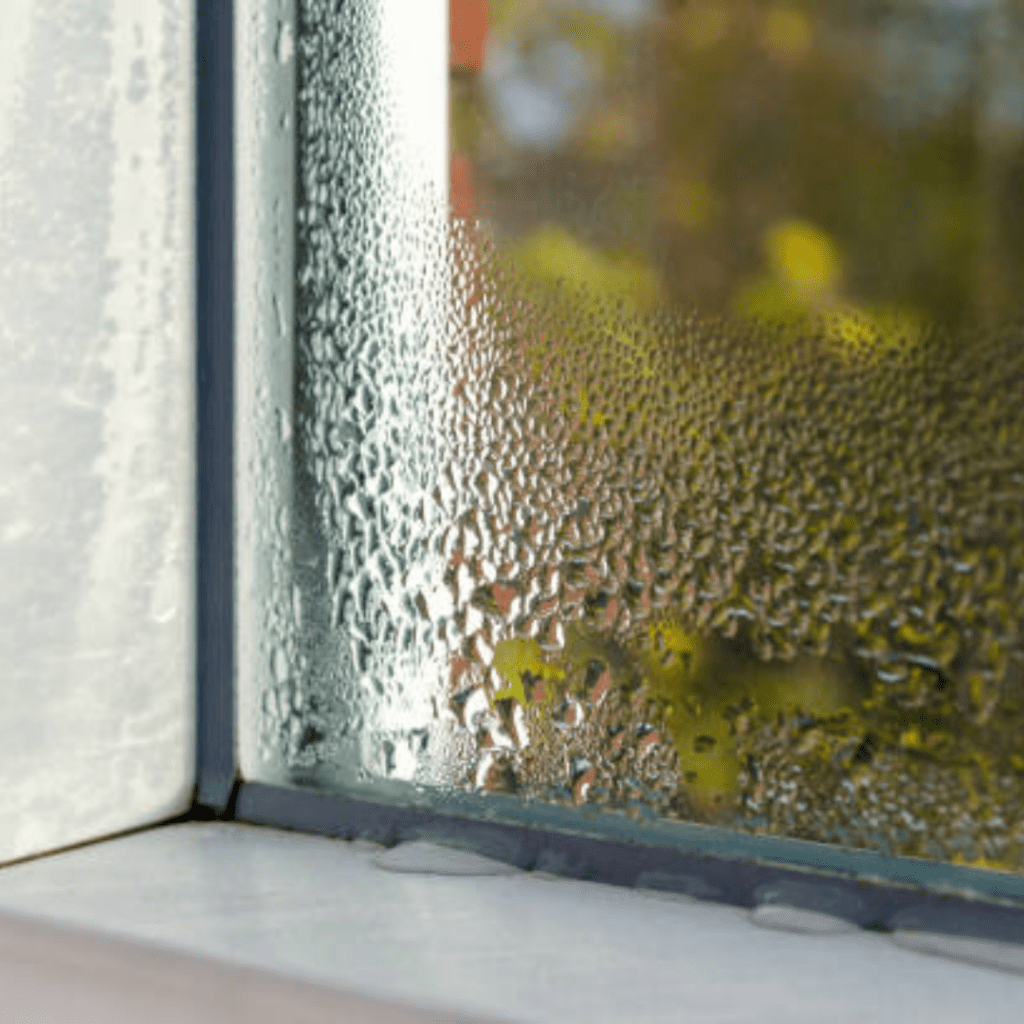
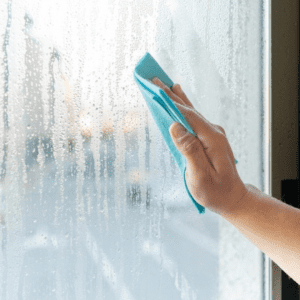
You may notice windows fogging up, a musty smell in certain rooms, or air that feels damp despite the AC running. Some homeowners also experience uneven temperatures throughout the house, where certain rooms feel warmer or more uncomfortable than others.
Excess humidity can even affect wood flooring, furniture, and other materials over time. If left unchecked, moisture issues can create conditions that impact indoor air quality and overall home comfort.
For homeowners looking to improve indoor air quality and home value, managing humidity is often an important part of the equation.
Why Humidity Can Drive Up Energy Bills
Many people are surprised to learn how much indoor moisture can affect their monthly utility costs.
When humidity levels rise, your HVAC system must run longer to achieve the same level of comfort. Longer run times mean increased energy usage. Even if outdoor temperatures haven’t reached their summer peak, high humidity can still cause a noticeable increase in energy bills.
That’s why some homeowners are shocked when they see higher utility costs during late spring and early summer. The heat may not be extreme yet, but humidity is already forcing the system to work overtime.
Addressing humidity-related issues early can help lower operating costs and improve overall efficiency throughout the cooling season.
Protecting Your Home Beyond Comfort
Managing humidity isn’t just about feeling comfortable. It can also help protect your home’s long-term value.
Just as homeowners focus on plumbing upgrades that boost home value, HVAC performance plays a major role in maintaining a home’s condition. Excess moisture can contribute to wear on building materials, indoor air quality concerns, and avoidable maintenance expenses.
Taking care of HVAC and plumbing systems consistently can also lead to cost savings with maintained plumbing system performance and help prevent plumbing repairs before selling house by reducing moisture-related issues that may affect inspections.
Don’t Let Humidity Take Control of Your Home
If your home feels uncomfortable, your energy bills are climbing, or your HVAC system seems to be working harder than it should, humidity may be playing a bigger role than you realize.
At Quarter Moon Plumbing, AC & Heating, we help homeowners identify the causes of indoor comfort issues and ensure HVAC systems are operating efficiently. Whether you’re experiencing humidity concerns, rising energy costs, or performance issues with your air conditioner, our team can help you find the right solution.
Give Quarter Moon Plumbing, AC & Heating a call today and take control of your home’s comfort before humidity takes control of it.