

Why Fall Is the Best Time to Catch Plumbing Issues Before the End of 2026
Fall is more than a season for cooler temperatures and changing leaves, it’s also one of the smartest times to take a closer look at your home’s plumbing. Before the holidays, colder weather, and end-of-year gatherings arrive, homeowners can use the fall months to identify small plumbing problems before they become expensive emergencies.
For homeowners in San Antonio and across Central Texas, this is especially important. Even though Texas winters are generally mild, sudden temperature changes can put stress on pipes, fixtures, and water heaters. A little preventative attention this fall could help you avoid an unexpected plumbing repair before the end of 2026.
Catch Small Leaks Before They Become Major Problems
A dripping faucet or slightly damp cabinet may not seem urgent, but small leaks can indicate a larger plumbing issue. Hidden leaks behind walls, under floors, or beneath your home can continue unnoticed while causing water damage over time.
As temperatures change, pipes and fittings can experience additional stress, making it important to watch for signs of hidden plumbing problems. There are a number of issues that can become costly for homeowners, especially when they go unnoticed through the colder months.
Fall is an ideal time to investigate unusual moisture, unexplained increases in your water bill, or sounds of running water before colder weather makes the problem worse.
Check Your Water Pressure
Changes in water pressure are another warning sign homeowners shouldn’t ignore. Low or inconsistent pressure can be caused by leaks, mineral buildup, aging pipes, or other plumbing problems.
If you notice that your water pressure isn’t what it used to be, it may be worth having your plumbing inspected rather than assuming the issue will correct itself. Temperature changes and mineral deposits can both affect water flow, and low pressure can sometimes point to a larger problem developing within your plumbing system.
Give Your Water Heater Some Attention
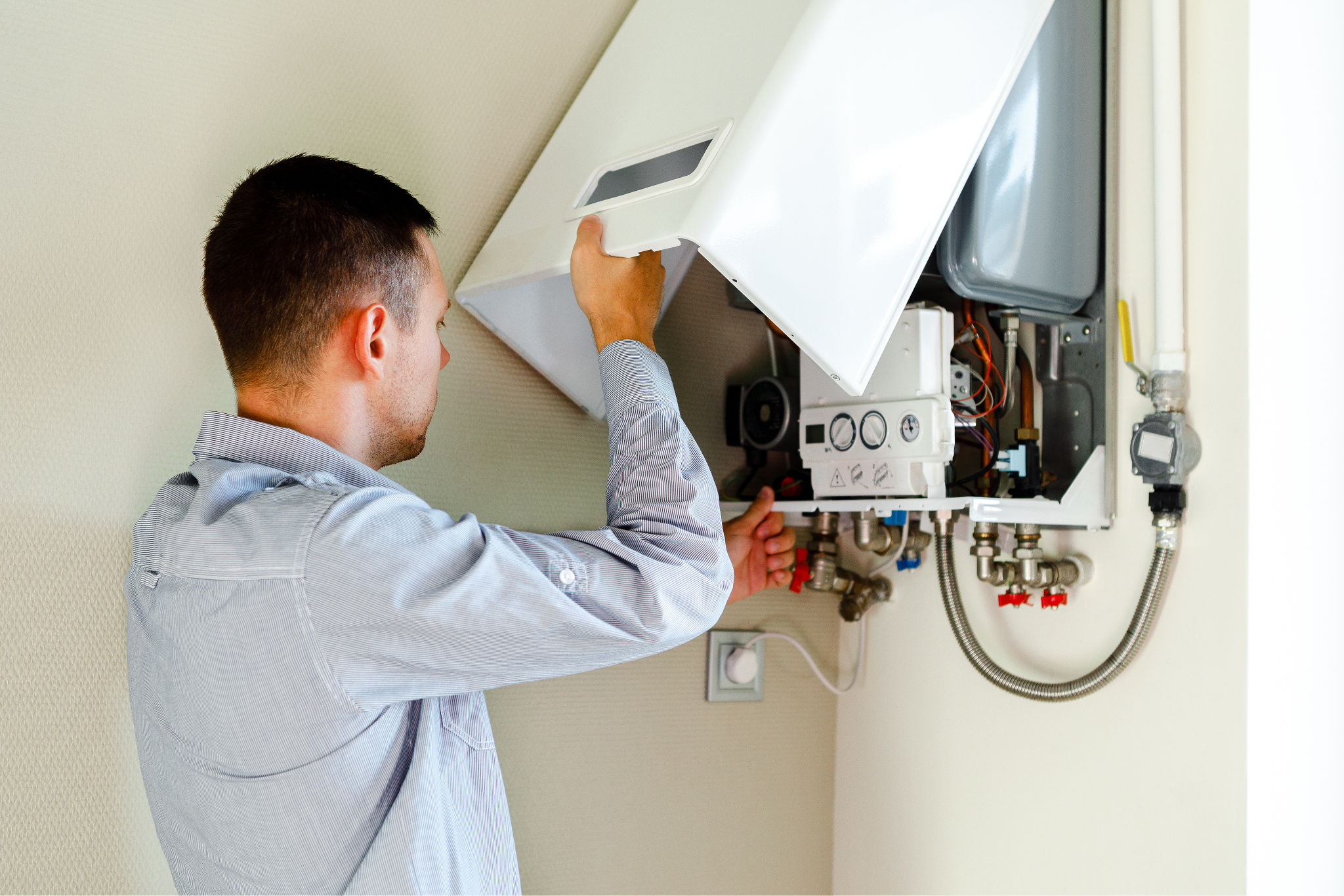
Your water heater works hard throughout the year, and fall is a convenient time to make sure it’s ready for increased use during the holidays and colder months.
Look for warning signs such as strange noises, rusty or discolored water, puddles around the tank, inconsistent hot water, or rising energy costs. If your water heater is getting older, fall is also a good time to consider whether it may be nearing the end of its useful life.
There are several common signs you may need to replace your water heater, including problems that can become more noticeable as the system ages.
Addressing water heater problems before a major failure can save you from an inconvenient cold shower or an emergency replacement.
Don’t Forget About Drains and Slab Leaks
Slow drains are easy to dismiss, but they can be an early warning sign of a developing blockage. Fall is a great time to address sluggish sinks, tubs, or showers before holiday cooking and entertaining put additional demand on your plumbing.
Texas homeowners should also keep an eye out for potential slab leak symptoms, including unusually high water bills, reduced water pressure, damp flooring, unexplained water pooling, or warm spots on the floor. Since slab leaks can be difficult to spot, understanding how common slab leaks are in Texas can help homeowners recognize when something may not be right.

Make Fall Your Plumbing Checkpoint
The best plumbing emergency is the one you prevent. Before 2026 comes to a close, take a few minutes to inspect your home for leaks, pressure changes, slow drains, water heater warning signs, and other unusual symptoms. A little preventative plumbing care this fall can help protect your home, your budget, and your peace of mind through the rest of 2026 and into the new year.
If something doesn’t look or feel right, don’t wait until it becomes an emergency. Contact Quarter Moon Plumbing & AC at (210) 651-5899 for residential plumbing services throughout Central Texas, including leak repairs, water heater services, sewer and drain work, slab leak detection, and piping.