

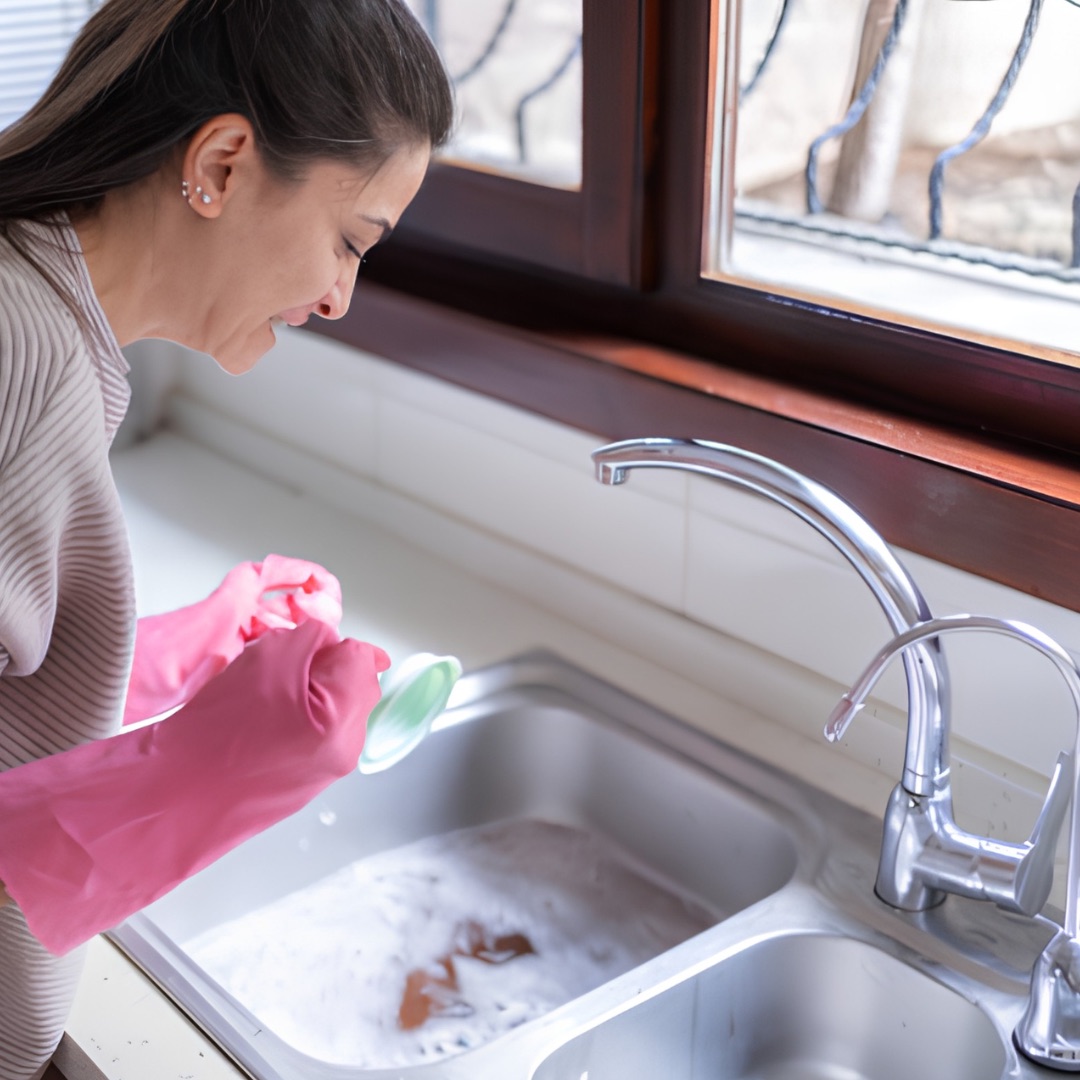
Seasonal weather changes that trigger drain backups and plumbing emergencies can catch homeowners off guard. One week, everything is working normally, and the next, heavy rain leaves water pooling around your home, drains start gurgling, or an unpleasant smell comes from the sink. In South Texas, sudden downpours, shifting temperatures, and periods of dry weather can all put extra stress on your plumbing system. Knowing how weather affects your drains can help you spot trouble early, avoid costly damage, and recognize when it’s time to call a plumber.
How Heavy Rain and Changing Weather Cause Drain Backups
In some areas, heavy rainfall can allow stormwater to enter sanitary sewer systems through damaged pipes or improper connections. This additional flow can overwhelm the system and contribute to sewer backups. If your sewer line already has a blockage, damage, or restricted flow, that extra pressure can make it harder for wastewater to move through the pipes as it should.
You might notice water draining slowly, toilets bubbling after a flush, or gurgling sounds coming from sinks and tubs. In more serious cases, wastewater can back up through floor drains or lower-level plumbing fixtures. These are warning signs that shouldn’t be ignored, especially if multiple drains are acting up at once.
Rain can also reveal problems outside your home. Poor yard drainage may allow water to collect near your foundation, while shifting soil can put pressure on underground pipes. If a sewer line has cracks or weak connections, changing ground conditions may make an existing issue worse.
If your drains start acting differently after a storm, pay attention to where the problem is happening. A single slow sink may point to a localized clog, while several affected fixtures could indicate a larger drain or sewer line issue.
From Dry Spells to Cold Snaps: Other Weather Changes That Affect Plumbing
Rain isn’t the only weather condition that can lead to plumbing emergencies. Long dry spells can cause soil to shrink and shift, potentially putting stress on your home’s foundation, underground water pipes, and sewer lines. When heavy rain follows a dry period, the ground can expand again, adding more movement around underground pipes. Over time, that shifting can contribute to cracks, misaligned connections, or leaks.
Temperature swings can create their own set of problems, too. Although South Texas winters are usually mild, sudden cold snaps can expose vulnerable pipes to freezing temperatures. Water expands as it freezes, which can cause pipes to crack or burst. When the ice melts, the damage may become obvious through water stains, unexplained puddles, or a sudden drop in water pressure.
Seasonal changes can also affect how much debris enters your drainage system. Leaves, dirt, and other outdoor debris may wash toward yard drains and exterior drainage areas during storms. If those pathways become blocked, water may collect around your property instead of draining away properly.
The key is to notice changes before they become emergencies. If you hear repeated gurgling, smell sewage odors, see water backing up, or experience multiple slow drains, it’s worth having the system checked. Avoid using chemical drain cleaners to force a blockage through, since they can damage certain pipes and won’t resolve deeper sewer line problems.
What to Do When Weather Triggers a Plumbing Emergency
If water or sewage starts backing up into your home, stop using the affected fixtures and keep people away from contaminated water. If the problem appears to involve a sewer backup, avoid running additional water through sinks, showers, washing machines, or toilets until the source is identified. If water is near electrical outlets or appliances, stay clear and contact the appropriate professional for help.
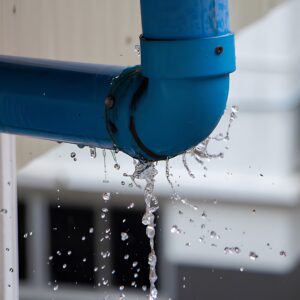
For water that is actively entering your home, a burst pipe, or a sudden leak, shut off the water supply if you can do so safely. Take note of where the water is appearing and whether other fixtures are affected. These details can help a plumber narrow down the cause.
Seasonal plumbing problems aren’t always preventable, but catching warning signs early can help reduce damage and repair costs. A well-maintained plumbing system can also offer cost savings over time by helping homeowners address developing issues before they turn into major repairs.
How Quarter Moon Can Help
Experiencing slow drains, sewage odors, or recurring drain backups after heavy rain? Quarter Moon Plumbing, AC & Heating is here to help homeowners identify plumbing problems and find the right solution. Contact our team to schedule your plumbing service and visit quartermoonplumbing.com/resources for more home maintenance tips.