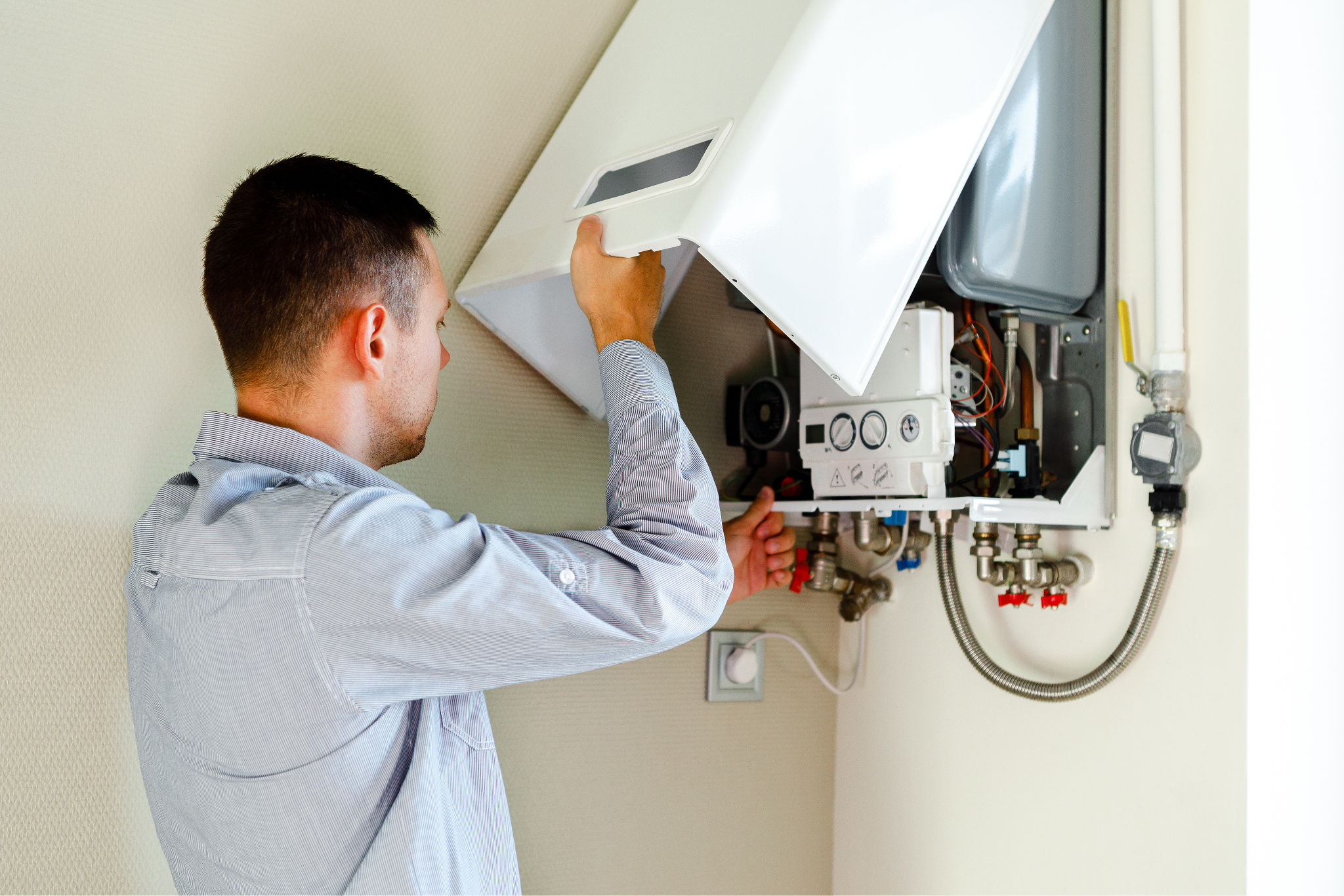
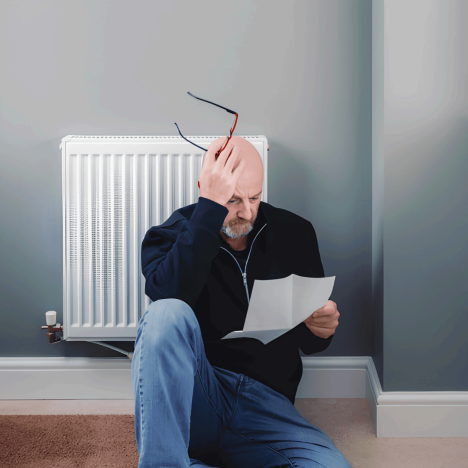
If you’ve been looking at your utility statement lately and wondering, “Why is my energy bill higher even though it’s still spring?” you’re not alone. This is one of the most common questions homeowners ask during spring in Texas. It feels confusing because the weather is still pretty mild, and your AC shouldn’t be working overtime. But in many cases, a higher energy bill before summer is a sign that something in your home is running less efficiently than it should. If your energy bill is higher even though it’s not
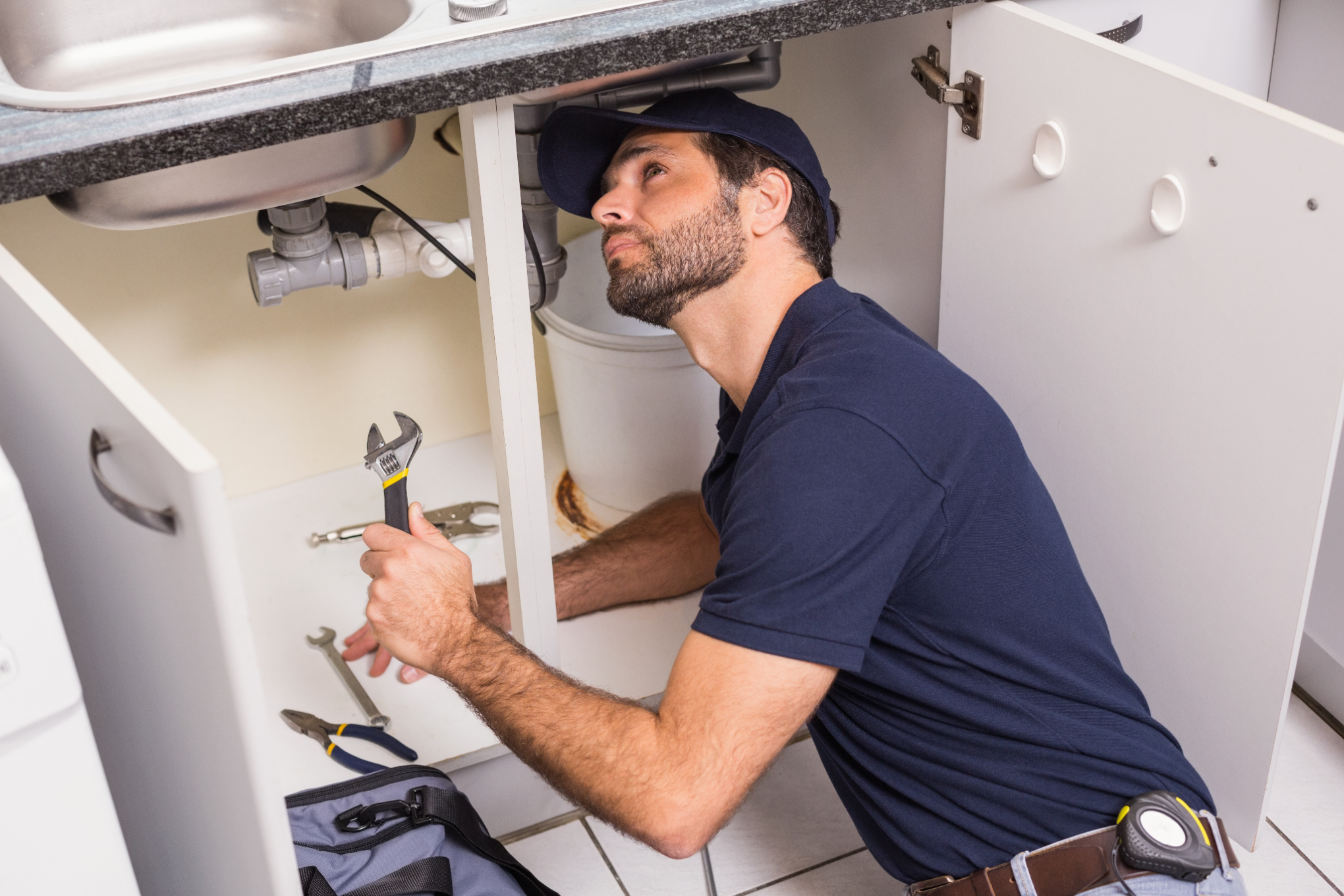
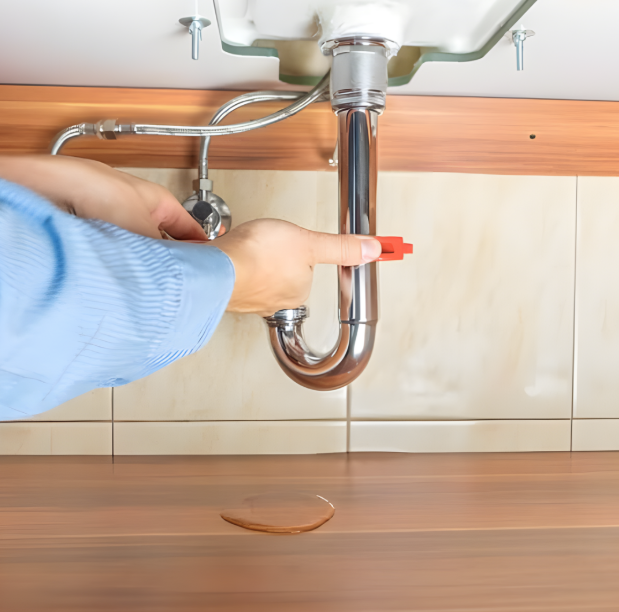
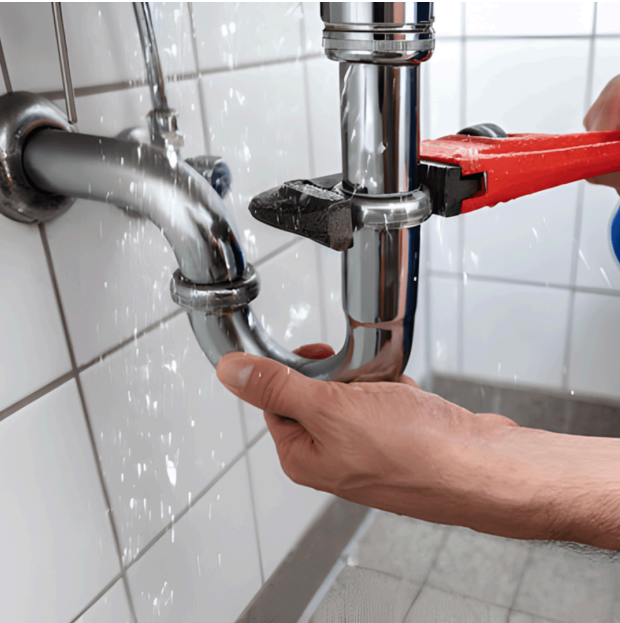
that hot yet, your HVAC system, insulation, air quality, or even your plumbing could be quietly contributing to the increase.
The good news is that most of the causes behind this problem can be caught early, before they turn into a bigger issue or an expensive breakdown.
Your HVAC System Might Be Working Harder Than You Think
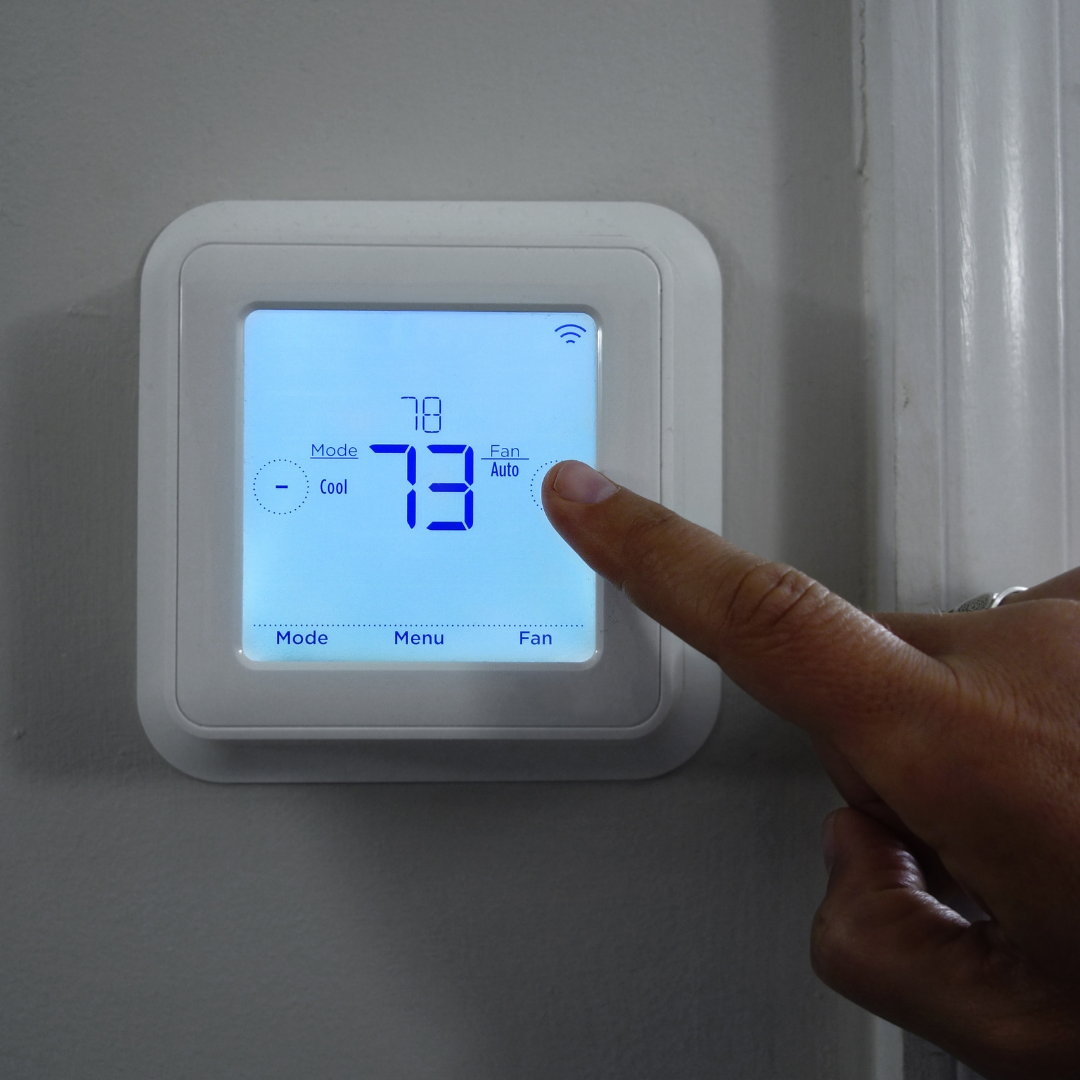
Even if it’s not blazing hot outside, your HVAC system may still be running more than you realize. Spring weather tends to swing back and forth. Warm afternoons, cool mornings, random humid days, and sudden temperature spikes can cause your system to cycle frequently.
If your HVAC system isn’t running efficiently, those frequent cycles can add up quickly. A dirty coil, worn-out parts, or restricted airflow can make your system work harder just to maintain a normal indoor temperature. That extra strain often shows up as higher energy bills long before summer even arrives.
Airflow Problems Can Quietly Raise Energy Costs
Poor airflow is one of the sneakiest reasons homeowners see higher bills early in the year. If your air filter is clogged, your vents are blocked, or your ductwork has leaks, your system has to push harder to move air through the house.
The frustrating part is that your home might still feel “fine,” so you don’t realize anything is wrong. But behind the scenes, your HVAC system is burning extra energy to do a job that should be easy.
Humidity Can Be the Real Problem (Not Heat)
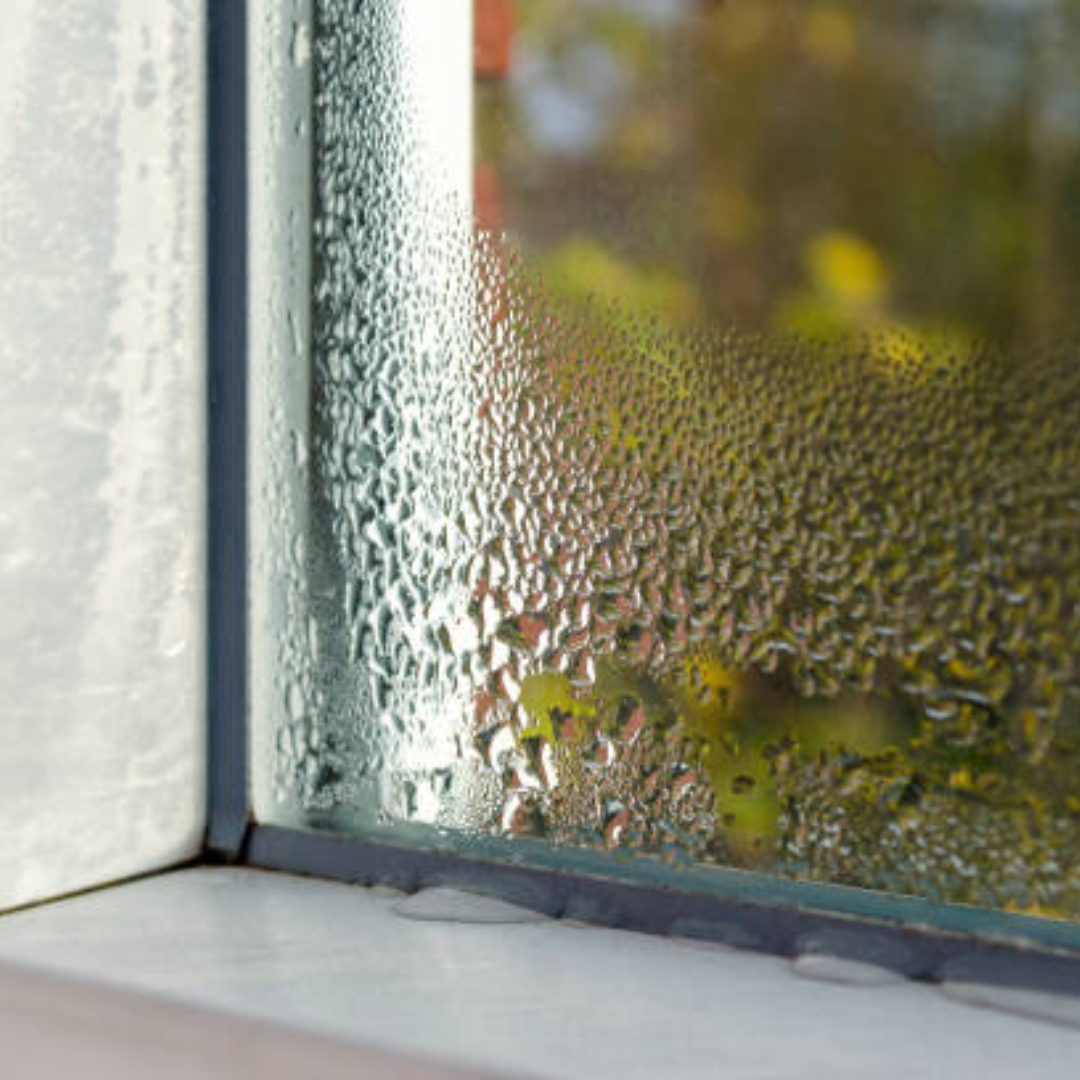
In Texas, spring humidity can make your home feel warmer even when the temperature isn’t high. When humidity rises, your HVAC system has to remove moisture from the air in addition to cooling. That process requires more energy.
If your system is struggling with humidity control, you might notice the air feeling sticky, stuffy, or heavy. That discomfort leads many homeowners to lower the thermostat, which makes the system run longer and drives bills up even more. Humidity problems can also affect indoor comfort and air quality.
Your...